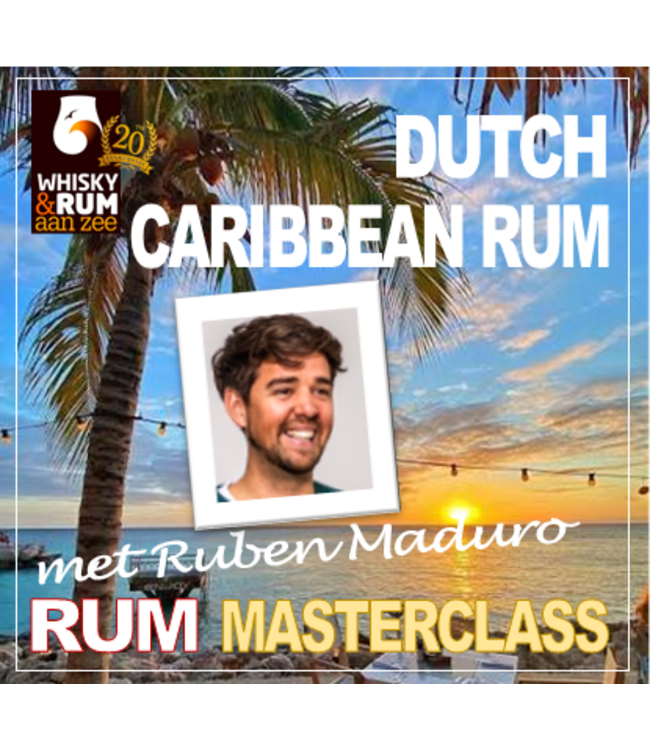

OCT 10 - Dutch Caribbean Rum Masterclass with Ruben Maduro
€10,00Incl. tax
In stock (18)
Order via QR code or https://www.ticketkantoor.nl/shop/WhiskyEnRumAanZee Read more..
Voor 12.00 uur besteld?
Vandaag verzonden!500+ RUMS, 500+ WHISKIES
Best gesorteerde specialist in de regioVragen of advies?
+31 (0)255 540 331Proeven in onze winkel?
Kom langs bij ons in IJmuiden
Product description
Rum is often told from the major sugar-producing islands of the Caribbean. But the story of rum on Aruba, Bonaire, and Curaçao is different.
These islands were never characterized by vast sugarcane plantations. The climate was too dry and the landscape too inhospitable. In this masterclass, Ruben Maduroje takes you through this lesser-known chapter of Caribbean rum history: from the arrival of the Dutch West India Company and Curaçao's role as a maritime trading center, to early local distillation, the influence of the Cuban sugar industry, and the generations of Antillean sailors who traveled between the islands, the mainland, and Cuba.
It is a history that is not defined by one plantation or one distillery, but by movement, trade, migration, and blending.
Together with the master blenders of E&A Scheer in Amsterdam, with a centuries-long history of selecting, importing, and blending rum, Ruben Maduro explored what a contemporary ABC rum — a rum inspired by the Leeward Islands — might taste like.
Not as a literal reconstruction of a historical rum, but as an interpretation of the islands and the rum traditions that surrounded them for centuries: different origins, different distillation styles, and different characters brought together in one blend.
During the tasting, we are going to take that blend apart.
You taste various individual rum components and discover how origin, fermentation, type of distillation, aging, and blending influence aroma, structure, and flavor. Ultimately, you taste how all those different styles come together in one modern interpretation of an ABC rum.
Reviews
0 reviews
Related products
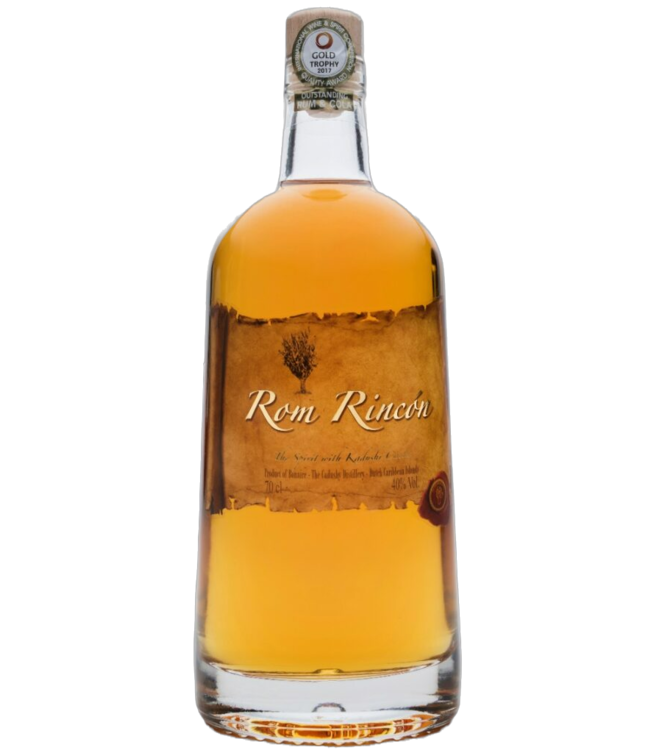
Rom Rincon Spiced Rum (40%)
Rom Rincon is seasoned according to classic Caribbean tradition. The spice they ..
€49,98
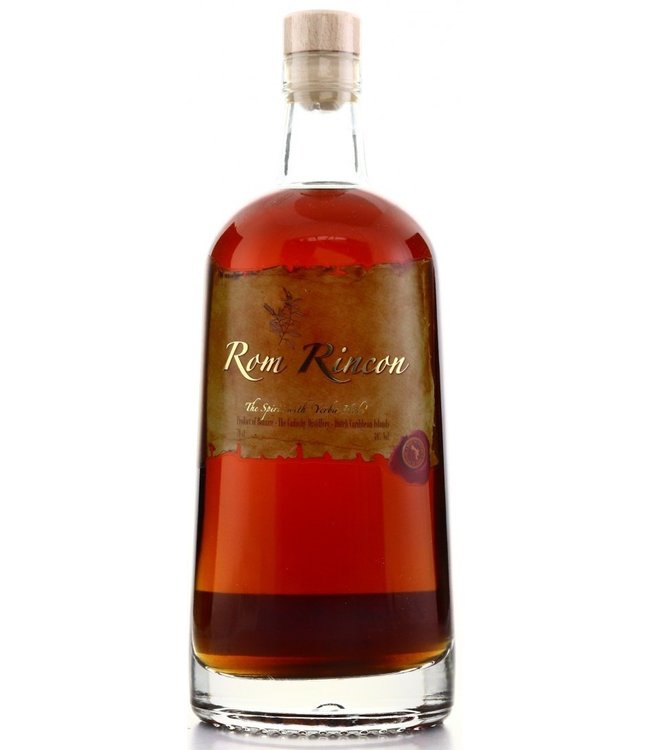
Rom Rincon Private Stock Spiced Rum (40%)
The Master Distiller of The Cadushy Distillery, Eric Gietman, selected a few cas..
€76,50
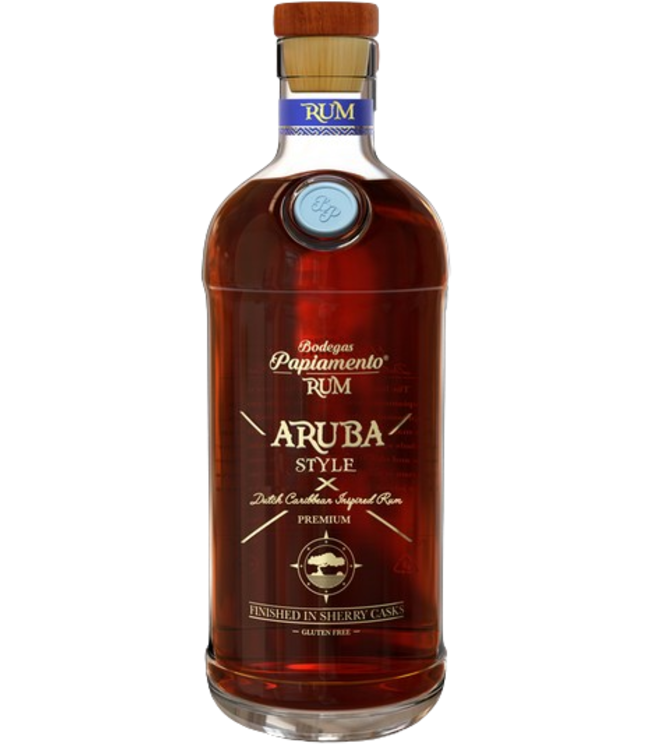
Bodegas Papiamento Rum - Aruba Style Sherry Cask Finish (40%)
Caribbean-style rum finished in sherry casks for added depth and fruit character..
€57,99
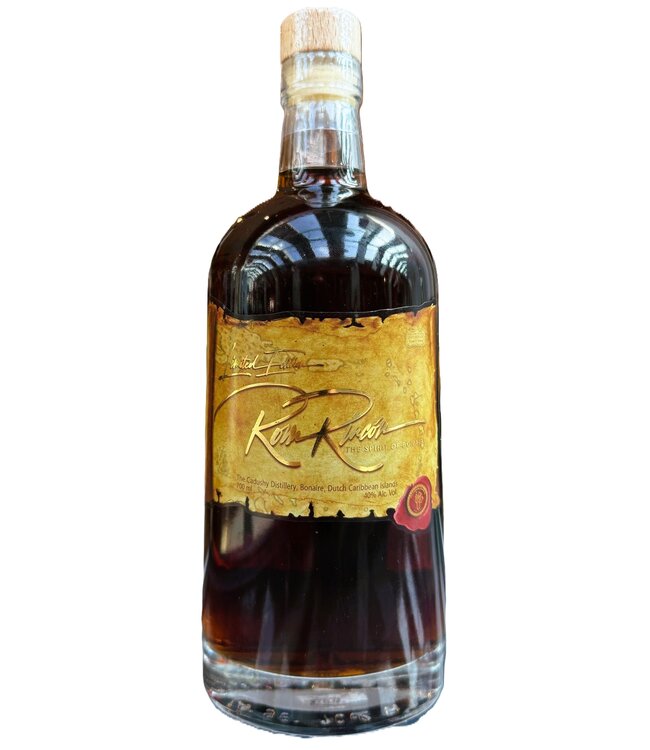
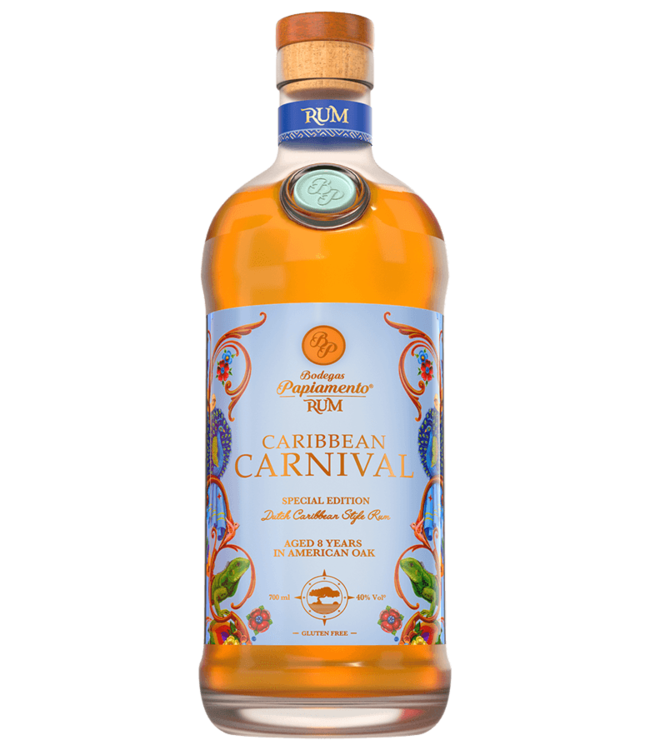
Papiamento Carnival Rum (40%)
An 8-year-old rum from Aruba aged in both new and used oak barrels. Rich notes o..
€44,50
Specifications
OCT 10 - Dutch Caribbean Rum Masterclass with Ruben Maduro
0 reviewsReview OCT 10 - Dutch Caribbean Rum Masterclass with Ruben Maduro
Order via QR code or https://www.ticketkantoor.nl/shop/WhiskyEnRumAanZee
Je moet minimaal 18 jaar of ouder zijn om Slijterij & Wijnhuis Zeewijck te kunnen bezoeken